



PPE and compliance
Check that people wear the right safety gear throughout every shift, not just during spot checks. Safety gear is spot-checked once a shift, and gaps show up in audits.
Why it matters.
Safety gear is spot-checked once a shift, and gaps show up in audits. Missing gear leads to injuries, contamination and failed audits.
What it detects and measures
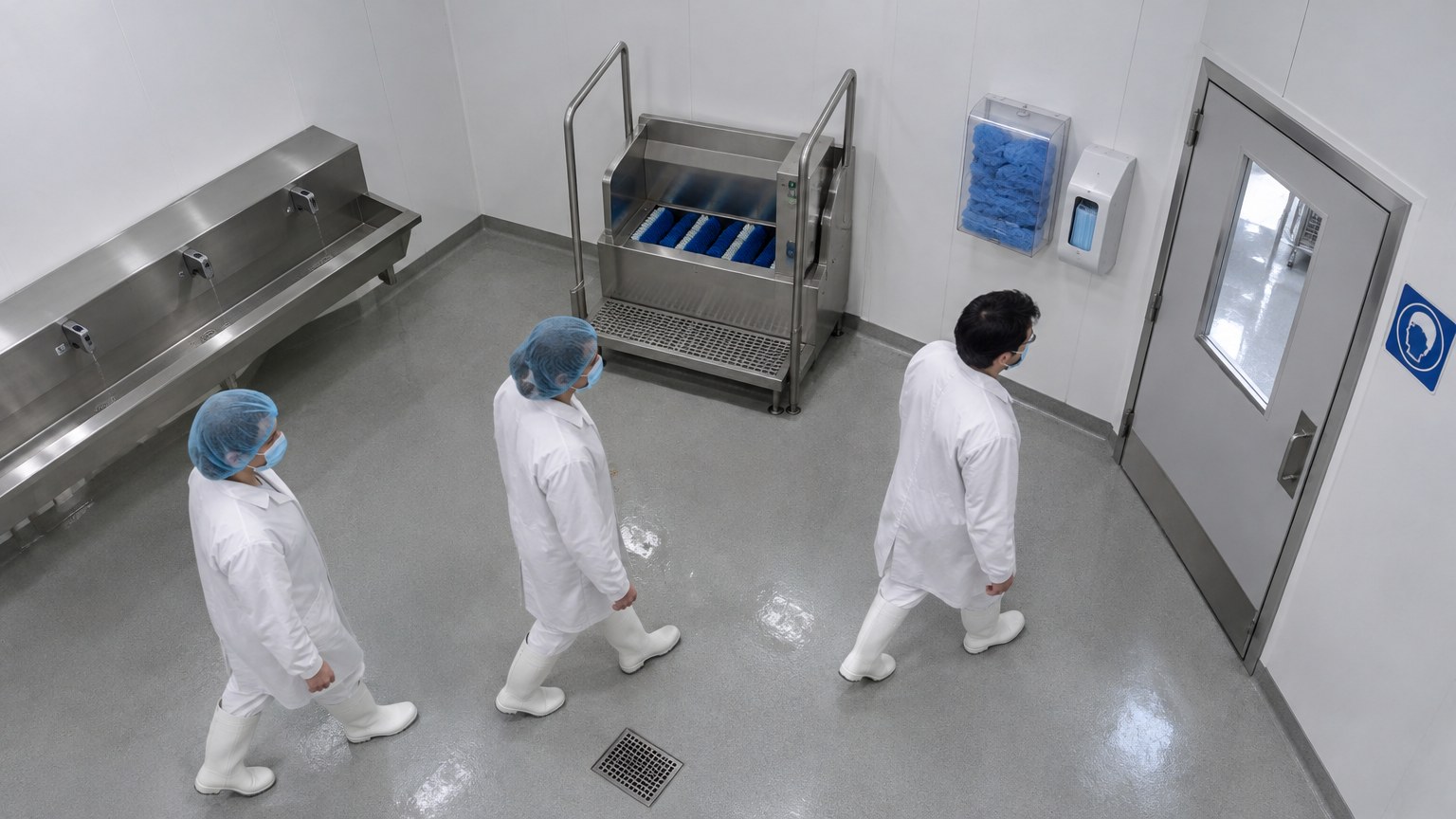
- Hairnets, coats and boots in hygiene areas
- Hi-vis vests and helmets on worksites
- Who is missing required gear, and where
- Compliance trends by shift, entrance and type of gear
- An image of each breach, for follow-up and training
- Mesh gloves when knives are in use, for example in boning rooms
Typical applications
Set up in four steps.
Self-service, in the browser, on the cameras you already own.
- 01Connect
Uses a camera at the entrance or inside the area. No new hardware.
- 02Set the rule
Choose which gear is required in each area, such as a hairnet, hi-vis or helmet.
- 03Measure
Checks each person entering or working in the area for the required gear.
- 04Act
When someone is missing gear, the supervisor is alerted.
What your team gets.
Alerts reach the person who can act, with the time, place and frame. Every event is kept for reporting.
For operations
- Compliance checked across the whole shift, not sampled
- Supervisors freed from manual checks
For the business
- Lower risk of injury, contamination and failed audits
- A complete record to show auditors, customers and regulators
- Training targeted where compliance is weakest
- Protection for certifications and customer contracts
Often measured on the same cameras.
The same camera can check who enters an area and whether people are working a safe distance apart.
Restricted zones and line crossing
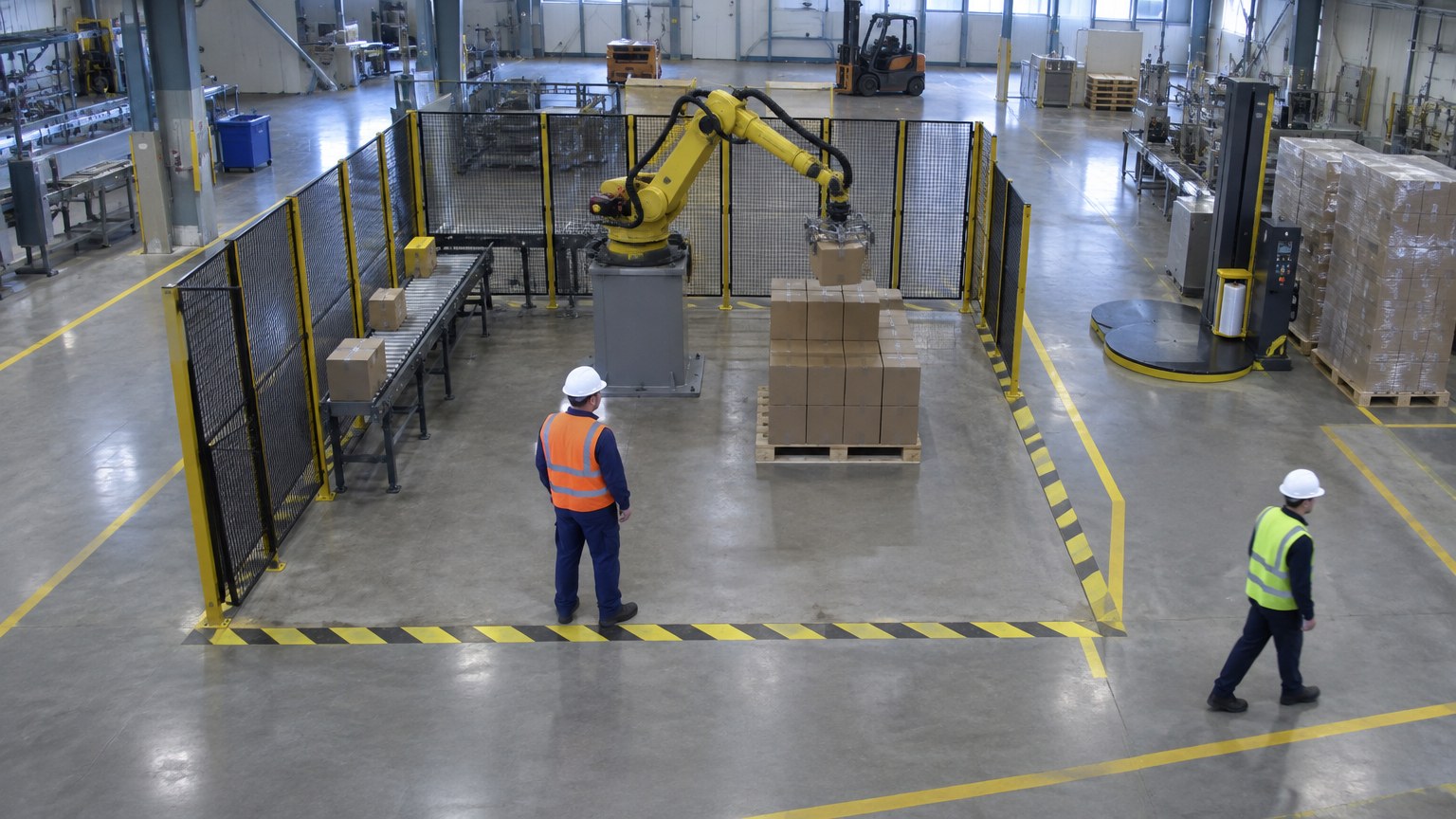
Know the moment someone enters a restricted area or crosses a line they shouldn’t.
Safety and securityView use case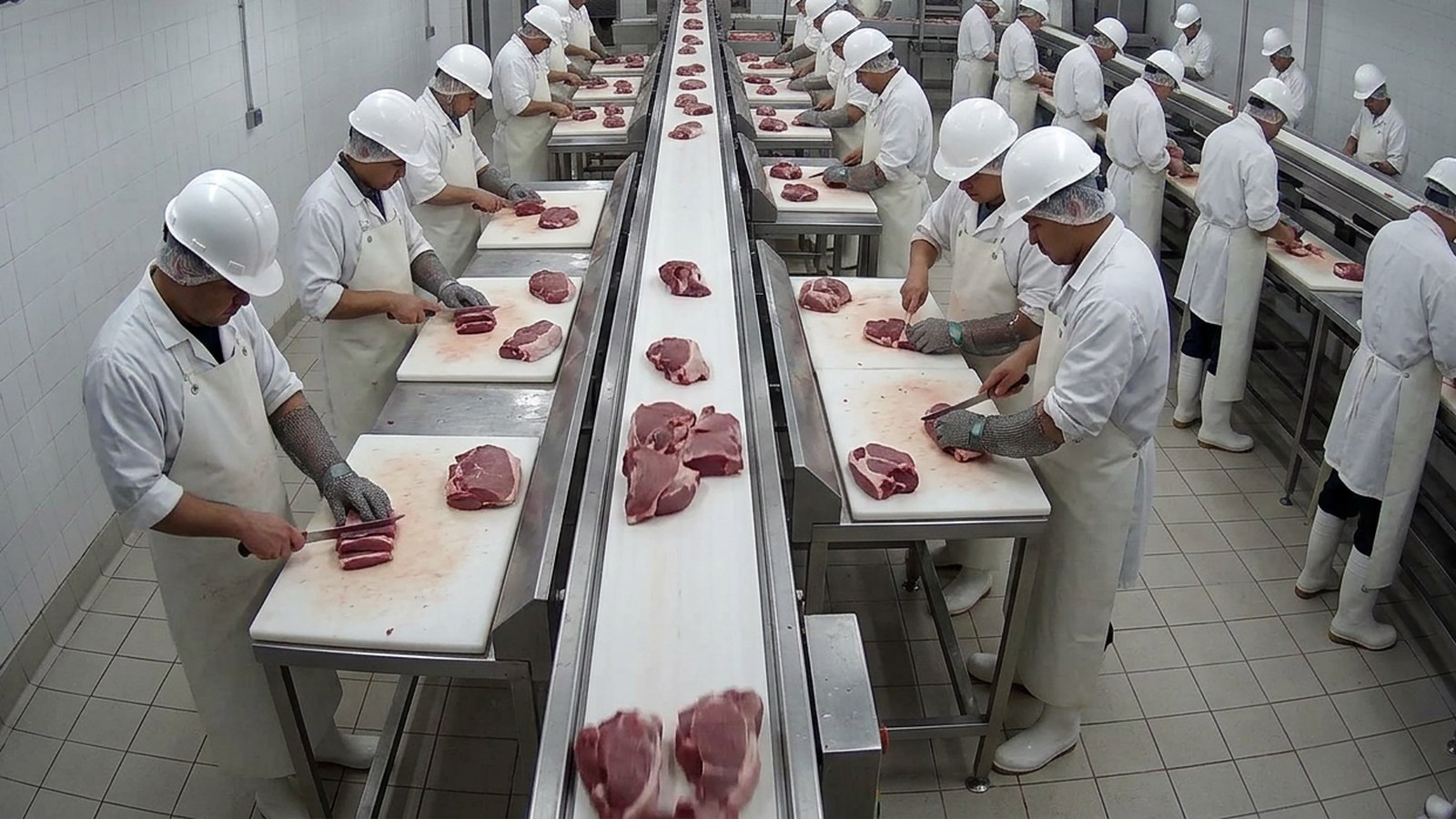
Safe working distance
Flag when people work too close together during hazardous tasks such as knife work, to prevent injuries.
Safety and securityView use case